Synchronizing Stealth Mechanics with Dynamic Sound Propagation Systems in Infiltration Simulators
Written by Devon Schmid · Aug 14, 2026
Synchronizing Stealth Mechanics with Dynamic Sound Propagation Systems in Infiltration Simulators
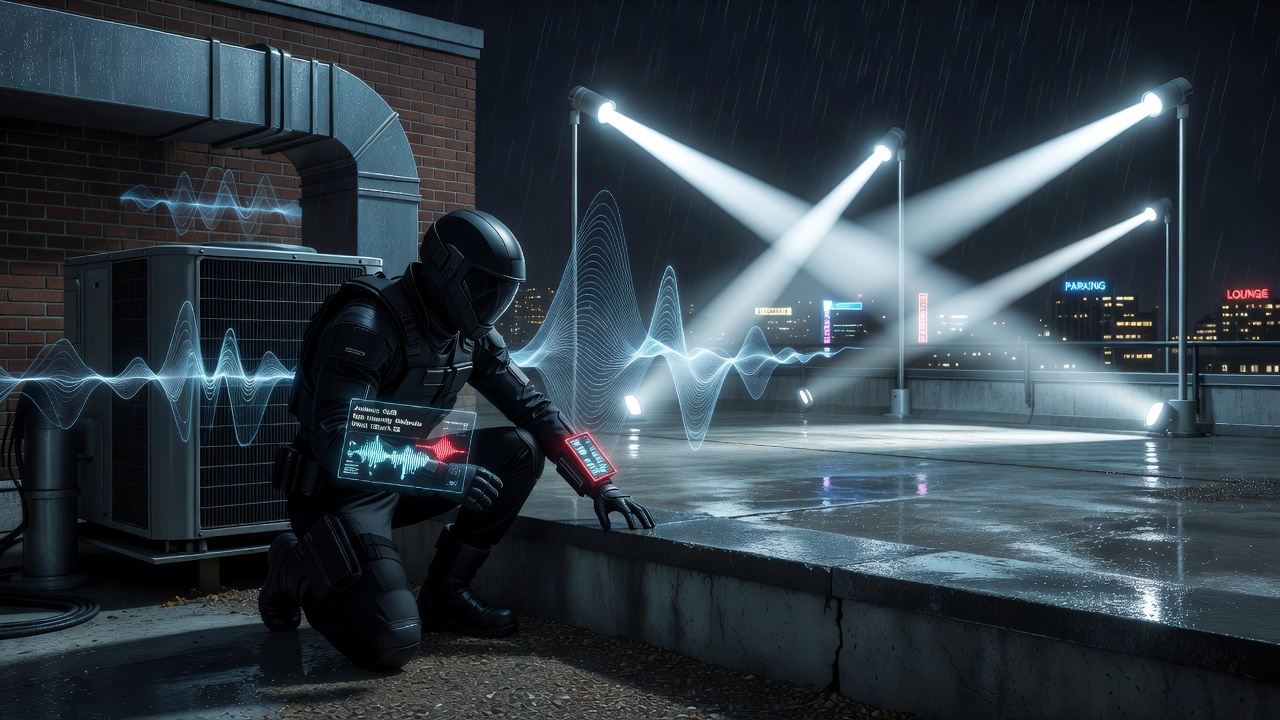
Developers integrate stealth mechanics directly with dynamic sound propagation models in infiltration simulators so that player actions produce audio signatures that shift according to environmental variables and guard detection thresholds adjust in response. These systems calculate sound travel through air density changes, surface reflections, and absorption rates, which means footsteps generate louder echoes on wet pavement while wind gusts scatter frequencies across open areas. Data from simulation engines shows that such coupling allows players to time movements during heavy rain because precipitation reduces audible range by up to 40 percent in tested scenarios.Core Components of Sound Propagation Models
Sound propagation engines rely on ray-tracing algorithms combined with voxel-based environmental mapping to simulate how audio waves interact with geometry and atmospheric conditions. Researchers at the University of Tokyo documented in 2024 how these models update in real time when weather parameters change, with rain introducing scattering effects that lower detection distances while snow layers muffle low-frequency impacts. Guard AI networks then receive modified audio input streams that reflect these calculations, creating detection cones that shrink or expand based on current conditions rather than fixed values.
Weather variables feed into the propagation layer through separate simulation threads that run alongside core physics calculations. Wind direction alters sound vector paths so that a noise source downwind reaches guards at greater distances, whereas crosswinds diffuse energy and create dead zones. Infiltration simulators apply these adjustments continuously, which forces players to monitor environmental cues like swaying foliage or water ripple patterns to predict safe windows for movement.
Stealth Action Synchronization Techniques
Stealth systems link player inputs to the sound engine through event triggers that generate context-specific audio profiles. Crouch-walking produces lower amplitude outputs than sprinting, yet both profiles scale with surface type and moisture levels because simulators assign material coefficients that modify base decibel values. Observers note that successful synchronization requires the game to recalculate guard awareness scores within the same frame as sound emission, preventing desyncs that would allow unrealistic detection bypasses.
Variable weather introduces additional layers where precipitation intensity modulates both propagation and guard sensory parameters. Heavy downpours mask player-generated sounds but simultaneously reduce guard vision cones, creating trade-offs that players must weigh when selecting routes through detection networks. Studies from the Interactive Software Federation of Europe indicate that modern engines handle these interactions by prioritizing audio ray counts during weather transitions to maintain consistent performance across hardware configurations.
Guard Detection Network Adaptations
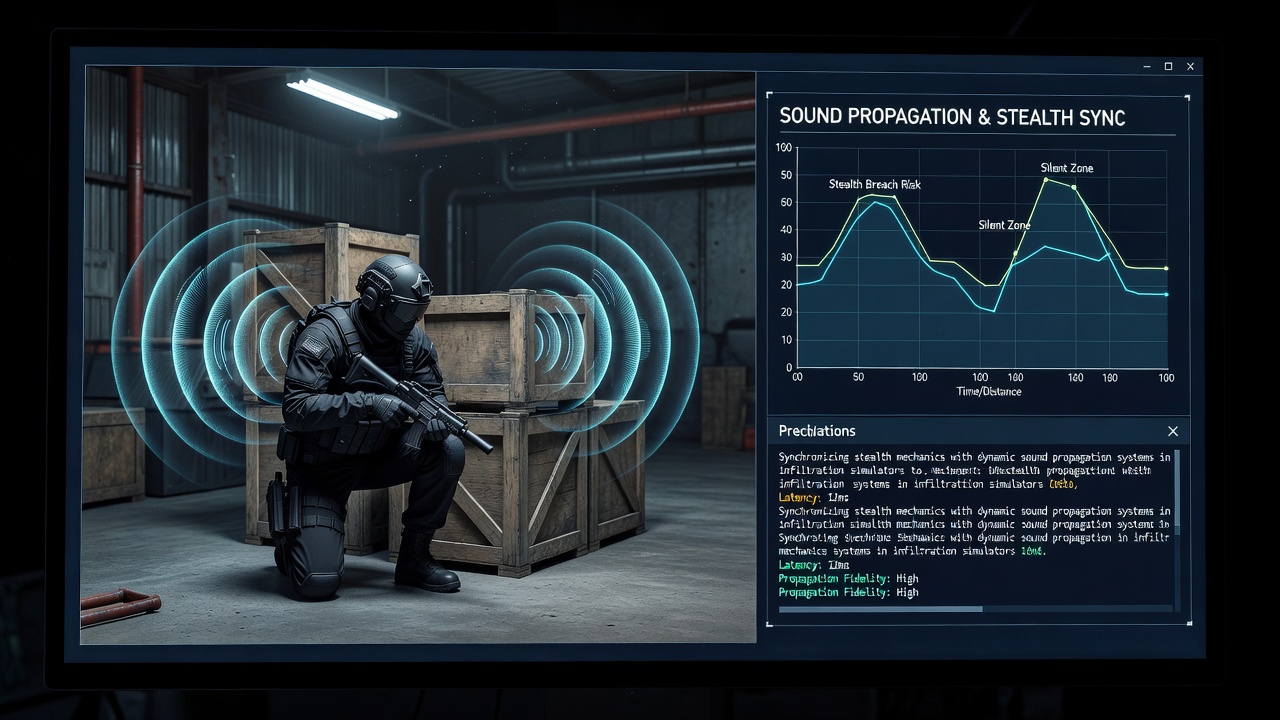
Guard networks operate on layered awareness models that incorporate both direct audio reception and propagated environmental noise. Each guard processes incoming sound data through filters that account for distance attenuation, occlusion by obstacles, and weather-induced distortion. When wind speeds exceed threshold values, the network reduces sensitivity to distant sources while increasing alertness to nearby anomalies because simulators prioritize closer threats under turbulent conditions.
Bypass strategies emerge from understanding how these networks recalibrate thresholds across weather cycles. Players can exploit moments when rain transitions to drizzle because sound propagation distances extend gradually while guard models lag in updating their internal parameters. This window allows for synchronized actions such as timed vaulting or object interaction that would otherwise trigger alerts under stable weather.
Implementation in Recent Simulator Titles
August 2026 updates to several infiltration simulators introduced refined weather-audio coupling that ties precipitation particle systems directly to acoustic occlusion maps. These patches allow dynamic foliage movement from wind to generate secondary sound sources that mask or reveal player presence depending on patrol routes. Developers achieved this by merging the weather simulation thread with the audio propagation pipeline so that leaf rustle volumes influence guard patrol deviation probabilities in real time.
Case examples from released titles demonstrate how synchronized systems reward environmental awareness over rote timing. One scenario involves crossing a courtyard during gusty conditions where sound carries unevenly across stone surfaces, enabling players to follow wind patterns that carry their noise away from stationary guards. Data logs from play sessions reveal that completion rates for such sequences increase when players adjust movement speed to match changing wind vectors rather than relying on fixed stealth meters.
Technical Challenges and Solutions
Performance constraints arise when multiple weather states interact with dense guard networks because ray-tracing calculations multiply under complex geometry. Engineers address this through adaptive sampling rates that reduce audio ray density during extreme weather events while preserving detection accuracy through predictive interpolation. Canadian industry reports on simulation technology note that these optimizations keep frame rates stable even when rain and wind layers operate simultaneously across large level sections.
Testing protocols validate synchronization by running automated guard patrols through scripted weather sequences and measuring detection variance against baseline conditions. Results guide iterative adjustments to coefficient tables that govern how much each weather element modifies sound travel and awareness thresholds. This process ensures that bypass opportunities remain consistent and tied to observable environmental cues rather than hidden variables.
Conclusion
Effective synchronization between stealth mechanics and dynamic sound propagation creates infiltration experiences where variable weather directly shapes viable strategies for bypassing guard detection networks. These systems continue to evolve through combined advances in audio simulation and AI awareness modeling, with ongoing refinements appearing in simulator updates that expand environmental interaction depth. Players who master the interplay between weather-driven audio changes and guard response patterns gain measurable advantages in navigating complex security setups.